

As winter approaches, many Severna Park homeowners notice a rise in rodent activity around their properties. Mice and rats don’t hibernate instead, cold weather triggers them to seek warmth, food, and shelter wherever they can find it. In Severna Park, where homes sit near wooded areas, wetlands, and waterways, these pests find abundant hiding places and cozy winter hideouts often inside homes themselves. Understanding why rodents are more active in winter and what makes Severna Park especially vulnerable is key to preventing infestations before they start.
The Seasonal Shift in Rodent Behavior
When temperatures drop in late fall and winter, rodents react to several environmental cues that push them toward human structures:
- Temperature Drop: Cold weather drives rodents to seek warmer environments where they can conserve energy and survive the harsh winter. Homes provide stable warmth that outdoor environments no longer can.
- Food Scarcity: Natural food sources seeds, insects, plants dwindle in winter. Rodents begin searching for accessible food sources, and homes often supply abundant options like pantry items, pet food, and garbage.
- Shelter Needs: Rodents look for safe, sheltered places to nest and reproduce. Wall voids, attics, crawl spaces, and basements offer ideal conditions protected from weather and predators.
These winter survival instincts aren’t specific to Severna Park people rodents everywhere behave this way. But local conditions here intensify the problem.
Why Severna Park is Especially Susceptible
Severna Park sits in a unique environment with features that unintentionally encourage rodents:
- Wooded and Natural Areas: Many neighborhoods border wooded lots, backyard landscaping, or tree lines. These areas naturally support rodent populations and provide hidden corridors right up to house foundations.
- Water Proximity: Being close to marshes and bodies of water means a richer habitat for wildlife including mice and rats all year long.
- Older Homes and Gaps: Many homes in Severna Park were built decades ago. Older foundations, siding, attic vents, and utility penetrations often have cracks or gaps rodents can exploit to get inside.
Once temperatures fall and rodents sense warmth and food inside homes, they don’t hesitate to follow subtle temperature gradients, smells, and access points indoors.
How Rodents Find Their Way Inside
Rodents are extraordinarily resourceful and don’t need much space to enter a home:
- Mice can squeeze through openings as small as a dime.
- Rats need only about a quarter‑sized gap.
- Utility penetrations, vents, roofing gaps, and foundation cracks act as easy access points.
Rodents aren’t deterred by darkness or tiny openings they exploit them. Once inside, they seek quiet, protected areas away from human activity.
The Risks Rodents Bring in Winter
When rodents settle inside homes, the dangers go beyond being a nuisance:
- Structural Damage: Rodents gnaw constantly to wear down their teeth. This chewing can damage wiring, insulation, wood framing, and more potentially creating fire hazards or expensive repairs.
- Food Contamination: Rodents contaminate food supplies, pantry shelves, and surfaces with droppings, urine, and bacteria.
- Health Hazards: Rodents carry pathogens that can spread disease to humans and pets through contact with contaminated areas.
By the time rodents are seen, an infestation has often been developing for weeks or months.
Signs Your House Has Rodent Pressure
Even if you haven’t seen a mouse or rat, early warning signs include:
- Droppings along baseboards, in cabinets, or near food storage
- Scratching or scurrying noises inside walls or ceilings at night
- Gnaw marks on wood, wires, insulation, or cardboard
- Nests made of shredded paper or insulation hidden in quiet spaces
- Footprints or greasy rub marks along walls
If you notice any of these, it’s a strong indicator rodents are inside or attempting to enter.
Preventing Winter Rodent Infestations
Keeping rodents out of your Severna Park home takes a proactive approach:
Seal Entry Points
Inspect the exterior and interior of your home for gaps around pipes, vents, windows, doors, and foundations and seal them with durable materials like steel wool, caulk, or hardware cloth. Rodents will exploit any access point they can fit through.
Eliminate Food Sources
Store food in airtight containers. Clean up crumbs and spills immediately. Pet food should be secured so it’s not left out overnight. These simple steps make your home a less attractive target.
Reduce Clutter and Nesting Sites
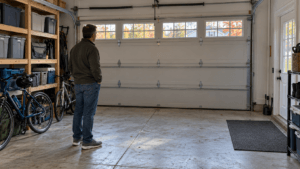
Clutter provides rodents with hiding and nesting spots. Keeping basements, garages, and storage areas clean and organized reduces the appeal for rodents searching for shelter.
Address Moisture
Leaky pipes, condensation, or standing water around the home can attract rodents looking for water sources. Fixing leaks and directing water away from foundations helps make your home less hospitable.
Professional Exclusion and Monitoring
Even with the best DIY efforts, rodents have a way of finding weaknesses. Professional pest control services can identify hidden access points, implement exclusion methods (such as sealing and barrier installation), and provide ongoing monitoring to stop rodents before they become a full‑blown infestation.
Stay Ahead of Winter Rodent Pressure
Winter rodent pressure in Severna Park isn’t a coincidence it’s a predictable result of weather, local environment, and rodent survival instincts. By understanding why rodents seek shelter indoors and how Severna Park’s unique setting amplifies that behavior, homeowners can take early action to protect their homes.
If you’re noticing signs of rodent activity or simply want to safeguard your home from seasonal rodent pressures, consider a professional inspection and exclusion strategy to ensure your winter stays rodent‑free.