

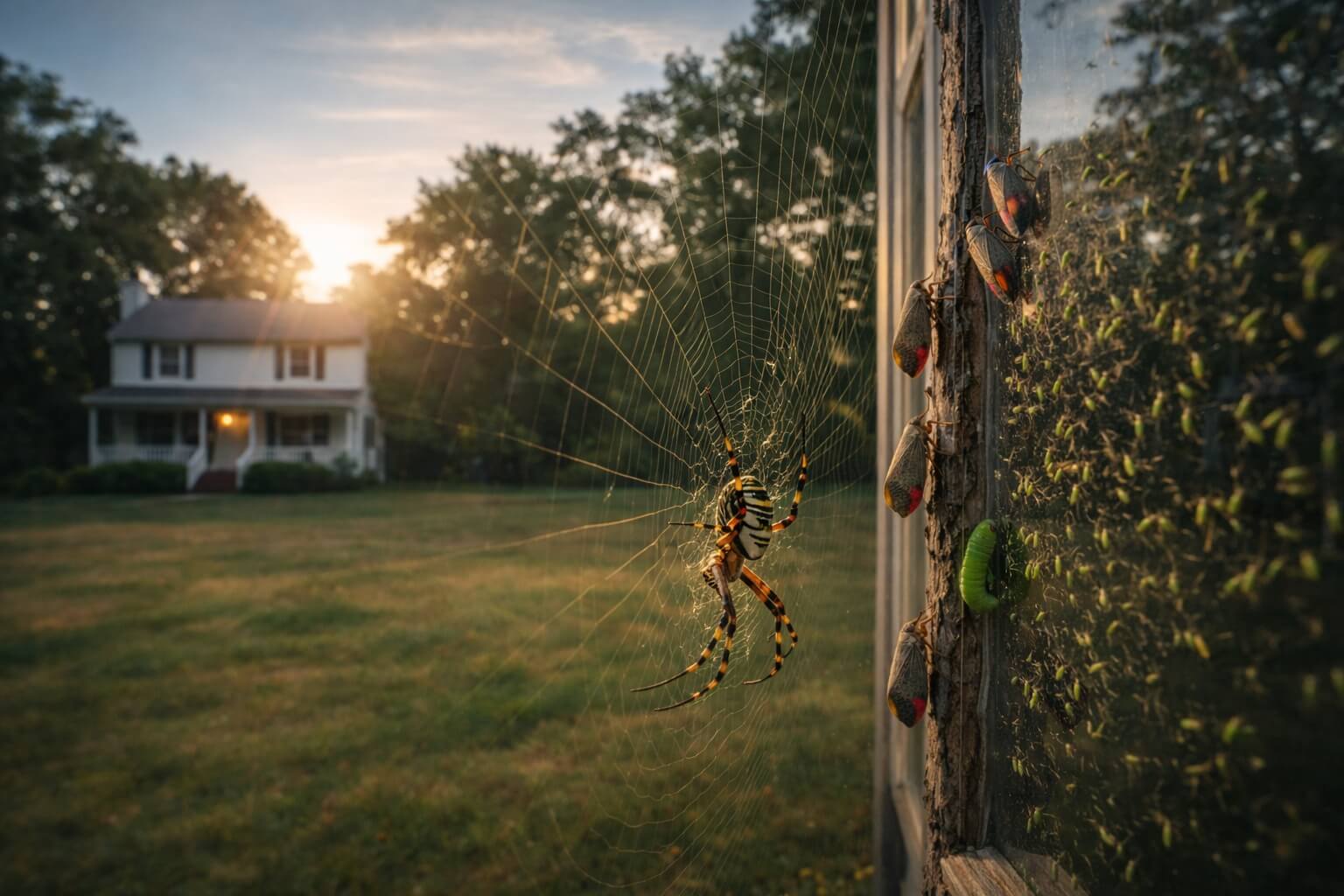
Maryland homeowners are reporting pest issues that feel out of the ordinary critters and insects showing up in unusual numbers, in unexpected places, or at odd times of year. Whether it’s due to weather shifts, changes in local habitats, or overlapping seasons, these weird pest trends are more than a nuisance they can signal emerging problems that require early attention and effective prevention. Severna Park Pest Control has identified several species and behaviors that residents should watch for now, along with signs, risks, and what you can do before pests become established inside your home.
Spotted Lanternflies Entering in Unusual Numbers
One of the most talked‑about pests this season is the spotted lanternfly an invasive insect originally from Asia that has been spreading through Mid‑Atlantic states. While traditionally associated with agricultural damage, this insect is showing up in residential properties across Maryland more frequently. They feed on tree sap, weaken plants, and can stress ornamental trees and shrubs.
Look for:
- Clusters of adult lanternflies on outdoor surfaces
- Eggs laid in rows on decks, patio furniture, wood piles, siding, or vehicles
- Nymphs moving along tree trunks or plants
Removing egg masses manually and keeping outdoor plants well‑maintained helps reduce populations. Professional help is often needed when infestations land near homes or in gardens where pets or children play.
Carpenter Ants Pushing Deeper Indoors
Carpenter ants are not new to Maryland, but this season they’ve been reported in unconventional indoor locations behind baseboards, inside kitchen cabinetry, and near foundation gaps where moisture accumulates. Instead of staying outdoors near decaying wood, they are seeking shelter and food inside. These ants don’t eat wood like termites, but they tunnel through it, weakening structures over time.
Signs to watch for:
- Sawdust‑like frass near wood beams or window frames
- Large black or red ants inside bathrooms, kitchens, or basements
- Trails of ants moving toward food or moisture sources
Because carpenter ants are attracted to moisture, fixing leaks and improving ventilation helps reduce pressure, but targeted pest control treatments prevent reinfestation.
Rodent Behavior Shifting Earlier in the Season
Rodents are showing up earlier than usual as temperatures fluctuate. Typically associated with fall and winter shelter‑seeking, rodents especially house mice and Norway rats are entering homes now in search of food and nesting sites due to changes in food availability outdoors.
Common rodent indicators include:
- Droppings along baseboards, inside cabinets, or near pantry shelves
- Scratching or scurrying sounds at night
- Chewed wires, paper, cardboard, and insulation
Because rodents reproduce rapidly, one or two sightings can quickly become a major infestation, especially if they find entry points around foundation cracks, vents, or utility penetrations.
Increased Indoor Spider Sightings
Spiders aren’t unusual in homes, but Maryland residents are seeing higher activity than normal, across multiple species including house spiders, cellar spiders, and the occasional wolf spider. While most aren’t dangerous, their increased presence usually signals an underlying pest food source (such as flies, ants, or beetles) within the home.
Watch for:
- Webs in corners, ceiling junctions, and window frames
- Spiders along floor edges at night
- Clusters in basements, attics, or storage rooms
Addressing the food source and reducing moisture conditions help reduce spider pressure, but professional monitoring identifies and treats the underlying cause.
Crickets Invading Living Spaces in Large Numbers
This season’s particularly warm and wet weather has led to a jump in cricket populations especially field crickets entering garages, basements, and first‑floor living spaces. Their chirping might seem merely annoying, but large cricket populations can damage fabrics and paper, draw predators into your home, and increase indoor humidity levels.
Signs include:
- Chirping inside walls or near foundation edges
- Crickets hopping across floors at night
- Sudden cricket sightings in clusters
Sealing cracks, lowering indoor humidity, and scheduled pest control treatments prevent indoor cricket infestations before they take hold.
Small Flying Insects Around Lights and Windows
Tiny flies such as fungus gnats, fruit flies, and drain flies have been unusually prevalent around Maryland homes this season. Because these pests breed in moist, organic material like soil, drains, decaying plant matter, and garbage, their presence often signals moisture buildup or food sources that need attention.
What to watch for:
- Tiny flies near kitchen sinks or garbage areas
- Small swarms around doorways or porch lights
- Flies emerging from damp potted plant soil
Reducing moisture, cleaning drains, and maintaining outdoor trash areas helps, but persistent swarms require professional treatment.
Moisture‑Driven Problems Below the Home
Heavy rains and high humidity this season have caused crawl space issues and moisture build‑up around foundations, which in turn attracts pests like silverfish, centipedes, millipedes, and occasional rodents. These pests prefer damp, dark areas and once inside, they can migrate further into living spaces.
Signs include:
- Moldy or musty smells in basements
- Damp crawl space environments
- Unexpected insect sightings near floor vents
Moisture control systems, proper drainage, and crawl space encapsulation help reduce these risks long‑term, while professional inspections identify hotspots early.
What This Means for Maryland Homeowners
Unusual pest problems this season aren’t random they’re tied to weather patterns, changes in food and water availability, and typical pest survival behavior. When pests stray from their normal patterns, they end up interacting more with homes and properties. Ignoring these unusual trends can allow small problems to escalate into infestations that impact health, property condition, and daily comfort.
Tips for Maryland Residents
- Conduct regular home inspections, especially around foundation lines, doors, and crawl spaces
- Seal gaps and cracks in exterior walls, vents, and utility lines
- Reduce moisture with proper drainage and ventilation
- Keep outdoor lighting minimized to avoid attracting insects
- Address early pest signs (droppings, gnaw marks, webs) before they multiply


