

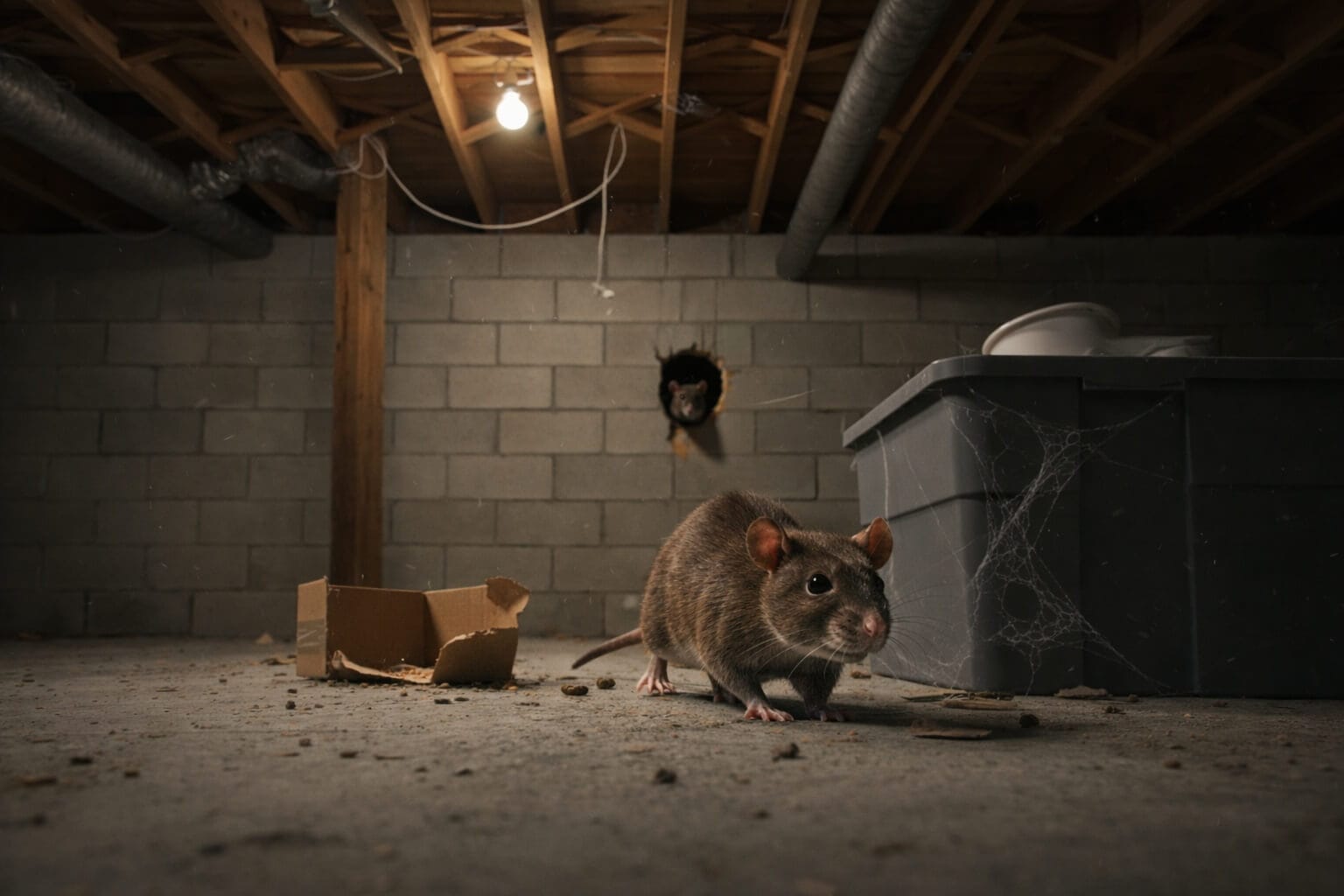
Rodent sightings are increasing across Maryland, and many homeowners are asking why they’re suddenly seeing more mice and rats around their homes. These clever, adaptable pests are excellent at slipping into tight spaces and thriving in urban, suburban, and rural environments alike. As weather changes, food sources shift, and seasonal behavior patterns kick in, rodents become more noticeable especially where they find easy access, food, and shelter.
Understanding why rodent activity is on the rise and knowing the signs to watch for can help you stop a small problem before it becomes a costly infestation. Severna Park Pest Control frequently responds to calls from homeowners who were surprised at how quickly rodent activity escalates. The good news is that with awareness and the right prevention steps, you can take effective action early.
Why Rodent Sightings Are Increasing in Maryland
There are several reasons rodent sightings spike at certain times of the year:
- Seasonal Behavior: As temperatures cool in fall and winter, rodents look for warm, protected places to nest. Crawl spaces, basements, wall voids, and attics become prime real estate.
- Food Availability: When outdoor food sources diminish such as dropped fruit, insects, and birdseed rodents look indoors for crumbs, pet food, and pantry goods.
- Shelter Seeking: High humidity, rain, and storms can drive rodents to seek shelter in dry areas. Structures with clutter, debris piles, or easy entry points are especially vulnerable.
- Breeding Cycles: Rats and mice breed rapidly under favorable conditions. A single pair of mice can produce dozens of offspring in a few months. Once they establish a nest, population growth is fast.
Maryland’s mixed urban and suburban landscape combined with varying weather patterns creates plenty of opportunities for rodents to thrive close to homes. Sightings often increase first along foundation edges, garages, sheds, crawl spaces, and around exterior lights that attract insects (a food source for opportunistic rodents).
Common Signs of Rodent Activity to Watch For
Even before you see rodents themselves, there are clear signs they may already be inside or near your property. Knowing these early warning signals helps you respond quickly:
Droppings
Rodent droppings are one of the most obvious signs of activity. Mouse droppings are small, dark, and pellet‑shaped. Rat droppings are larger and more cylindrical. You may see them in kitchen cabinets, pantry shelves, along baseboards, or near food/storage areas.
Gnaw Marks and Chewed Materials
Rodents constantly chew to keep their teeth worn down. Look for gnaw marks on wood, cardboard, wires, insulation, or plastic containers. These marks often appear near entry points, along walls, or around electrical conduits.
Scratching and Scurrying Noises
Hearing scratching, squeaking, or movement in walls, ceilings, or under floors – especially at night – is a strong indication of active rodents. Rats and mice are nocturnal, so nighttime noise often signals their presence.
Tracks or Grease Marks
Rodents leave oily rub marks where their fur repeatedly contacts walls or narrow surfaces. You may also see tiny footprints in dusty or unclean areas near floor edges.
Nests and Building Materials
Rodents build nests from shredded materials such as paper, insulation, fabric, and dried plant matter. These nests are often found in quiet, hidden areas like attics, crawl spaces, and storage closets.
Pet Behavior Changes
Dogs and cats often react quickly to rodent presence. Increased alertness, pawing at walls, or sudden focus on certain areas may clue you in before you see direct evidence.
Why You Shouldn’t Ignore Early Rodent Signs
Rodent problems grow fast. A few mice now can easily become dozens in a short time. Left unchecked, rodents cause issues such as:
- Property Damage: Rats chew wiring, insulation, wood, and structural components.
- Health Risks: Rodents carry pathogens that contaminate food and surfaces, including salmonella and hantavirus.
- Contamination: Droppings and urine in food areas or storage spaces create health hazards.
- Secondary Pests: Rodent nests attract fleas, mites, and other pests that can spread further indoors.
Small signs become big problems quickly. Prompt action can save on costly repairs and reduce health risks.
Preventive Steps Every Maryland Home Should Take
There are several effective ways to reduce rodent pressure around your home:
Seal Entry Points
Rodents can squeeze through holes as small as a quarter. Check for gaps around pipes, vents, utility lines, foundations, and roof intersections. Seal cracks with hardware cloth, sealant, or other pest‑proof materials.
Eliminate Attractants
Keep food storage in sealed containers. Clean up crumbs and spills promptly. Avoid leaving pet food or birdseed out overnight.
Manage Yard Debris
Keep vegetation trimmed and remove wood piles, leaf piles, and clutter near the foundation. These conditions offer shelter and hiding spots.
Install Screens and Barriers
Use screens on crawl space openings, attic vents, and foundation air vents to reduce access points for climbing rodents.
When to Call a Professional
Rodent control isn’t just about traps and glue boards especially once populations become established indoors. Professional technicians from Severna Park Pest Control understand rodent behavior in Maryland’s climate and take targeted steps to:
- Perform a thorough inspection to locate entry points and nesting areas.
- Identify which rodent species are present (mouse, Norway rat, roof rat, etc.).
- Develop a custom treatment plan that fits your home’s layout and risk profile.
- Monitor activity and implement exclusion strategies to prevent return invasions.
Expert pest control minimizes damage, protects health, and prevents recurring problems. Early professional intervention stops infestations before they expand or spread to multiple areas of your home.
Take Action Against Rodent Sightings Now
Rodent sightings in Maryland are rising for understandable reasons but that doesn’t mean you have to accept them as normal. By watching for early signs and taking preventive steps, you reduce your risk of a serious infestation. When rodent activity does appear, acting quickly matters.
For comprehensive rodent control, exclusion, and prevention tailored to your Maryland home, contact Severna Park Pest Control today. Protect your property, your family’s health, and your peace of mind with expert pest solutions designed for your community.


