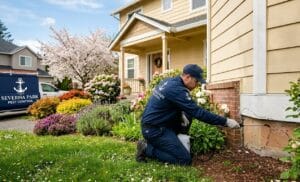


Crawl spaces are often out of sight and out of mind for many homeowners but what happens under your house can affect your indoor air quality, your comfort, and your property’s structural integrity. In Maryland, where humidity changes throughout the year and pests seek warm, damp shelter, crawl spaces can become hotspots for problems if left unchecked. Ignoring what’s lurking below your floors can lead to bigger issues like rodent infestations, moisture damage, mold growth, or even structural decay. Knowing the warning signs can help you protect your home before small problems turn into expensive repairs.
Pest Activity Below the Floorboards
One of the most common crawl space issues homeowners overlook is pest infestation. Mice, rats, squirrels, raccoons, and even opossums can make their way into crawl spaces through gaps in the foundation, broken vents, or damaged skirting. Once inside, these pests create nests, chew wiring and insulation, and leave droppings that contribute to unsanitary conditions. Rodent activity can also attract secondary pests such as fleas, ticks, or mites into your living spaces.
If you notice scratching noises at night, unexplained droppings near entry points, or foul odors coming from beneath your home, these could be signs that wildlife or rodents have moved in. Severna Park Pest Control recommends addressing these signs early to prevent structural damage and health risks.
Insects are also frequent crawl space visitors. Termites, carpenter ants, silverfish, and spiders often use crawl spaces as sheltered entry points into the rest of your home. Termites in particular are destructive feeding on wood supports and substructures silently until major damage occurs. A professional crawl space inspection can uncover hidden insect activity long before damage becomes extensive.
Moisture, Water, and Mold Growth
Moisture is a silent threat in Maryland homes. Whether it comes from poor drainage, high humidity, plumbing leaks, or groundwater intrusion, excess moisture in a crawl space creates ideal conditions for mold, mildew, wood rot, and pest attraction. Many homeowners don’t realize that humidity below the house can raise humidity levels inside the living space above, contributing to allergy symptoms, musty indoor air, and even respiratory issues.
Signs of significant moisture problems include:
- A musty, damp smell in the home
- Visible mold or mildew on wood beams, insulation, or vapor barriers
- Rusty nails or hardware
- Warped wood or soft spots on flooring above the crawl space
Moisture control is a crucial part of crawl space maintenance. Proper ventilation, sump pumps, drainage systems, and vapor barriers are common solutions. Technicians from Severna Park Pest Control can evaluate moisture levels and recommend a plan to prevent pest infestations and structural problems tied to water.
Structural Concerns and Wood Damage
Underneath your home are foundational supports, wooden joists, and beams that keep your living space stable. In a healthy crawl space, these elements remain dry, solid, and free of damage. However, if pests have invaded or moisture has persisted, wood supports may show signs of decay.
Look for signs such as:
- Soft, crumbly wood that breaks easily
- Visible termite tubes (“mud tubes”) along supports
- Splintered or chewed joists
- Shifts in flooring above that feel bouncy or uneven
Wood rot and termite damage don’t just weaken the crawl space they impact the entire structure above. Repairing this damage late is far more costly than correcting crawl space conditions early.
Insulation Problems and Energy Loss
Another often‑ignored consequence of crawl space issues is compromised insulation. If insulation gets wet, chewed, or displaced by critters, it can lose effectiveness. This can cause noticeable temperature swings within the home, higher energy bills, or drafty floors. Proper insulation protects both energy efficiency and comfort but it can’t do its job if the space around it is unhealthy.
During a crawl space inspection, Severna Park Pest Control technicians assess insulation condition along with pest activity, moisture levels, and structural integrity. This allows for a comprehensive plan that addresses all underlying problems.
Entry Points and Access Issues
Crawl space entry points such as vents, doors, or hatches are often weak spots that pests exploit. Damaged screens, unsealed gaps around piping or wiring, broken vent covers, and missing barriers allow rodents and insects easy access. Once inside, pests can thrive undetected.
If you see:
- Gaps in vents
- Cracks in foundation walls
- Loose boards near entry points
- Evidence of digging under a skirt or foundation
Sealing entry points is one of the first steps in crawl space defense. Professionals can identify vulnerabilities you might miss and ensure that the barrier between your home and pests is truly effective.
Health Implications You Can’t Ignore
Many crawl space problems don’t just affect your home’s structure they can affect your health. Mold spores can circulate into living spaces, aggravating allergies and respiratory conditions. Rodent droppings can carry pathogens such as hantavirus or salmonella. Insect fragments and allergens can trigger asthma symptoms in sensitive individuals.
Ignoring warning signs doesn’t make them go away it increases risk over time. A crawl space that appears quiet today may be quietly deteriorating in ways you cannot see without a thorough inspection.
What to Do When You See the Signs
When warning signs show up whether it’s pest tracks, moisture stains, or strange smells early action matters. Steps you can take include:
- Schedule a crawl space inspection with professionals who know what to look for.
- Check for pest entry points and seal gaps around foundation vents and framing.
- Address moisture issues with proper drainage, vapor barriers, or sump systems.
- Repair or replace damaged insulation to restore energy efficiency.
- Treat pest infestations using proven, safe pest control methods that eliminate pests and protect your home long term.
A professional inspector will evaluate pest activity, moisture conditions, structural supports, insulation integrity, and access points giving you a complete picture of what’s happening below your home.
Why Professional Assistance Matters
Crawl space problems often include overlapping issues. Moisture invites pests. Pests damage insulation. Damaged insulation reduces energy efficiency. The longer these conditions persist, the more extensive and costly the problems become.
A trained technician from Severna Park Pest Control understands how pests interact with their environment and how crawl space conditions contribute to infestations. With targeted treatments, moisture management plans, and structural recommendations, they help homeowners protect their investment and maintain a healthy, pest‑free home.