

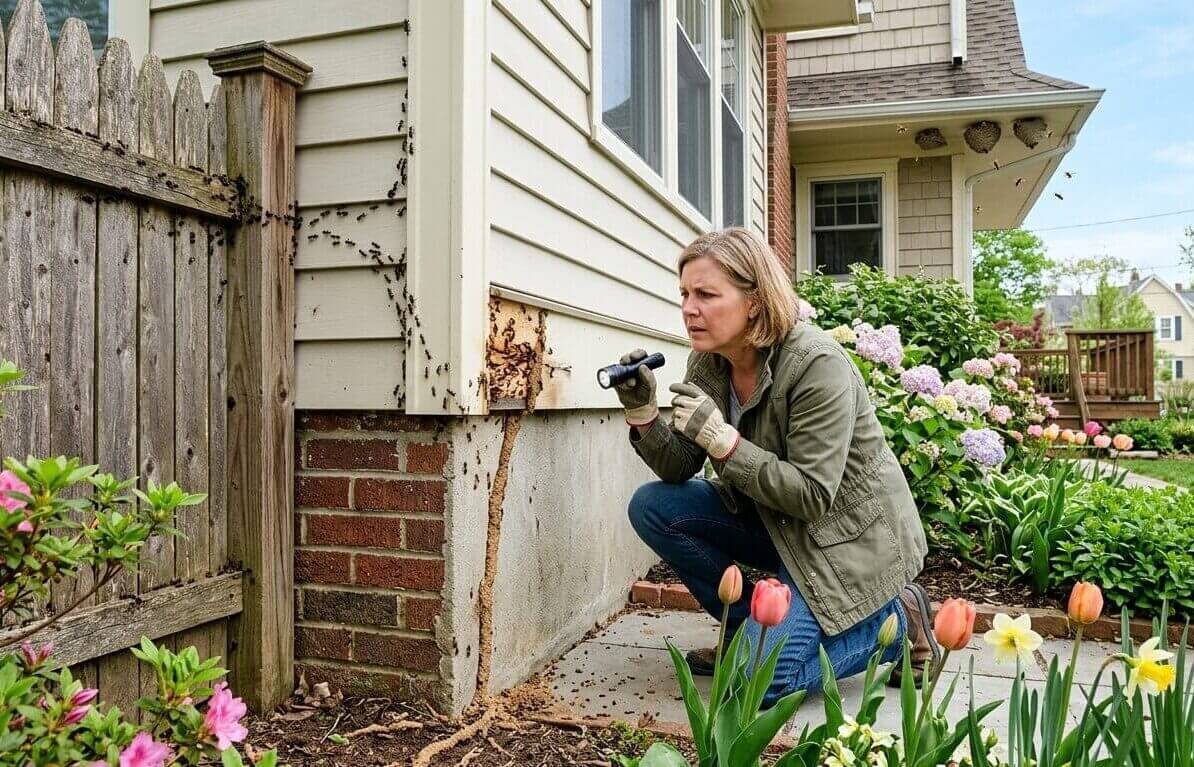
Spring marks the return of warmer temperatures, blooming landscapes, and increased outdoor activity. It also signals the beginning of heightened pest activity around homes. As the weather shifts from cold to warm, many insects and rodents become active again after remaining hidden during the winter months. Homeowners often begin noticing new pest problems both inside their homes and around their yards as spring progresses.
Seasonal pest activity occurs because rising temperatures create ideal conditions for insects and rodents to search for food, water, and shelter. Many pests also begin breeding during this time of year, which causes populations to grow quickly. When these pests move closer to homes, they often find entry points that allow them to settle inside or around the structure.
Pest control professionals frequently see several types of pests emerge during spring. Some of the most common include ants, termites, spiders, rodents, mosquitoes, and stinging insects. Each of these pests creates unique challenges for homeowners, and understanding their behavior can help prevent infestations before they grow.
Ants are one of the most widespread spring pest problems. As soil temperatures increase, ant colonies become active again and worker ants begin searching for food sources. Homes provide easy access to crumbs, sugar, and moisture, which makes kitchens and pantries common targets.
Ants often enter homes through very small cracks or gaps around windows, doors, and foundations. Once they find a food source, they leave scent trails that guide other ants to the same location. This is why a small number of ants can quickly turn into a larger problem if the colony continues sending workers inside.
Maintaining clean surfaces, sealing food containers, and removing crumbs can help reduce what attracts ants indoors. Sealing cracks and gaps around the exterior of the home can also limit entry points. However, if ant colonies are located close to the structure, professional treatment may be needed to address the source of the infestation.
Termites are another major concern during the spring months. Warmer temperatures trigger termite swarming activity, when winged reproductive termites leave their colonies to establish new ones. Homeowners may notice these swarmers around windows, doors, or light sources.
Swarming termites often shed their wings after landing, leaving small piles of wings behind. While swarmers themselves do not cause structural damage, their presence can indicate that a mature colony is nearby. Because termites feed on wood and other cellulose materials, they can cause serious structural damage if left untreated.
Mud tubes are another common sign of termite activity. These narrow tunnels allow termites to travel between their underground colonies and food sources while remaining protected from dry air and predators. They are often found along foundation walls, crawl spaces, and other areas where termites access wooden structures.
Routine inspections and early detection play an important role in preventing termite damage. Addressing moisture problems and eliminating wood to soil contact around the home can also reduce the likelihood of termite infestations.
Spiders also become more visible during spring as insect populations increase. Most spiders are not dangerous, but they can become a nuisance when they build webs inside homes or around entryways.
Spiders typically enter homes while searching for food, which means their presence often indicates that other insects are nearby. Basements, garages, attics, and storage areas provide quiet spaces where spiders can build webs and hunt for prey.
Reducing clutter in these areas helps eliminate hiding spots for spiders. Regular cleaning and vacuuming can remove webs and egg sacs before they develop further. Sealing small openings around doors, windows, and vents also helps prevent spiders from entering.
Rodents such as mice and rats are another pest problem homeowners may face during spring. While rodents remain active throughout the year, changes in weather conditions can push them to search for new nesting areas and food sources.
Rodents can enter homes through surprisingly small openings. Gaps around utility lines, damaged vents, and cracks in foundations are common entry points. Once inside, rodents often build nests in attics, basements, and wall cavities.
Signs of rodent activity include droppings, scratching sounds inside walls, gnaw marks, and torn food packaging. Because rodents can contaminate food and spread bacteria, their presence should be addressed quickly.
Preventing rodent infestations often involves sealing entry points around the home’s exterior. Keeping food stored in sealed containers and maintaining clean kitchen areas also reduces attractants. Outdoor trash bins should remain tightly closed, and yard debris should be cleared away to remove potential nesting sites.
Mosquitoes are another pest that begins appearing as temperatures rise. These insects thrive in warm, humid environments and rely on standing water to reproduce. Even small amounts of stagnant water can serve as breeding sites.
Common mosquito breeding areas include clogged gutters, flower pots, buckets, bird baths, and outdoor toys that collect rainwater. Removing standing water from the yard can significantly reduce mosquito populations.
Maintaining landscaping also helps control mosquito activity. Tall grass, dense shrubs, and shaded areas provide resting spots for mosquitoes during the day. Trimming vegetation and improving airflow through the yard makes these areas less appealing.
Because mosquitoes reproduce quickly, professional mosquito control treatments are often used to reduce populations in residential areas. These treatments target areas where mosquitoes rest and breed, helping protect outdoor living spaces.
Stinging insects such as wasps and hornets also become active in spring. During the early part of the season, queens emerge from winter hiding places and begin building new nests. These nests are often small at first but can grow rapidly as more worker insects develop.
Wasps frequently build nests under roof eaves, along fences, inside sheds, and in other sheltered areas around the home. Because these nests may appear near patios, decks, or entryways, they can create safety concerns for homeowners and guests.
Early nest detection is important for preventing large colonies from forming. Small nests are easier to remove before they expand and attract additional insects. Keeping outdoor food covered and trash containers sealed can also help reduce wasp activity.
Outdoor pest problems often begin in the yard before pests move inside the home. Overgrown vegetation, stacked wood, and cluttered storage areas provide hiding places for many insects and rodents. Keeping landscaping trimmed and organized reduces these opportunities.
Moisture control is another important factor in spring pest prevention. Many pests are attracted to damp environments, which means leaking faucets, clogged gutters, and poor drainage can create ideal conditions for infestations.
Repairing leaks and ensuring water drains away from the home helps reduce moisture levels that attract pests. Proper ventilation in crawl spaces and basements also helps prevent damp conditions where pests may thrive.
Regular home inspections can help homeowners detect pest problems early. Checking window frames, door seals, vents, and foundation cracks allows homeowners to identify entry points before pests take advantage of them.
Spring cleaning is another opportunity to identify hidden pest activity. Storage areas, attics, and basements may contain signs of insects or rodents that went unnoticed during the winter months.
Taking a proactive approach to pest management can prevent many of the problems homeowners experience each spring. Simple preventative steps such as sealing entry points, maintaining landscaping, and eliminating standing water can make a significant difference.
Professional pest control services provide an additional layer of protection by identifying risk areas and applying targeted treatments. Pest control specialists understand how seasonal pests behave and where infestations are most likely to occur.
Severn Park Pest Control works with homeowners to manage spring pest activity and prevent infestations before they spread. Their pest management services focus on both immediate pest removal and long term prevention strategies designed to keep homes protected throughout the season.
Spring should be a time when homeowners enjoy their homes and outdoor spaces without constant pest disruptions. By recognizing the most common pest problems that appear during this season and taking early preventative action, homeowners can protect their property and maintain a comfortable living environment.
Combining routine home maintenance with professional pest control services from Severn Park Pest Control provides reliable protection against the pests that often appear during spring. Early preparation and consistent prevention help ensure that homes remain safe, clean, and pest free as the warmer months begin.


